
Epigenetics & RNA Processing Lab
We study how epigenetic regulation and alternative pre-mRNA splicing intersect in cancer biology, using experimental and computational approaches to understand disease mechanisms.
Research footprint
A quick snapshot of the lab
Our Focus
More than 90% of human genes undergo alternative splicing, and aberrant splicing has been implicated in various diseases, including cancer.
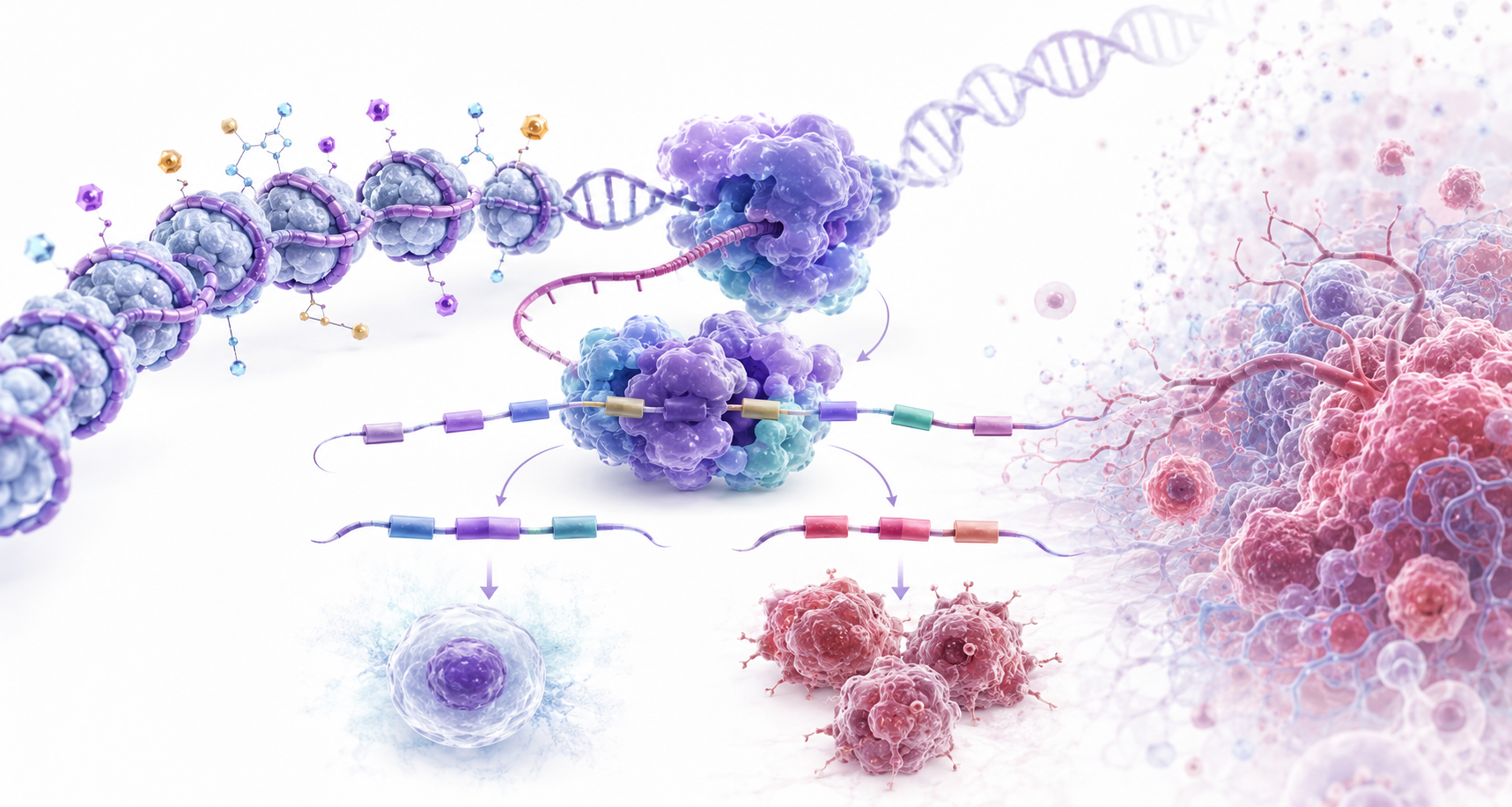
We discovered that CTCF regulates differential inclusion of alternate exons by promoting RNA polymerase II pause. DNA methylation inhibits CTCF binding, leading to exon exclusion.
Our laboratory investigates how these mechanisms function as drivers of tumorigenesis.
Nature 2011
"CTCF-promoted RNA polymerase II pausing links DNA methylation to splicing"
This paper established for the first time that DNA methylation affects alternative splicing through CTCF-mediated Pol II pausing, revealing a direct mechanistic link between epigenetic modifications and RNA processing.
Read the PaperResearch Areas
Our lab explores the molecular underpinnings of cancer through four key pillars.
Functional Genomic Screens: shRNA & CRISPR-based Approaches
We utilize high-throughput pooled shRNA and CRISPR/Cas9 screening to identify novel regulators of cancer-specific splicing and metabolic reprogramming. Through pooled shRNA screening, we identified SRSF9 as a key regulator linking BNIP3 splicing to autophagy in breast cancer. We also employ loss-of-function CRISPR/Cas9 approaches to dissect gene regulatory networks in tumorigenesis.
DNA methylation mediated regulation of PKM alternative splicing
Alternative splicing process can generate multiple protein coding isoforms and is the major source of transcriptome and proteome diversity. Aberrant spliced isoforms has been implicated in various cancers. Similarly deregulation of epigenetic modifications is also associated in the development and progression of many cancers. Here, our focus is to study the role of DNA methylation and DNA binding proteins in the regulation of PKM alternative splicing in breast cancer.
Role of deregulated epigenetic modifier in oral cancer
Several studies have identified a change in epigenetic marks such as DNA methylation, histone modification, alterations in nucleosome remodeling, differential expression of miRNA, as well as altered expression of chromatin-modifying proteins in oral cancer. These epigenetic changes may lead to alteration in global gene expression pattern, which may attribute to the development and progression of oral cancers. We are investigating the deregulated expression of epigenetic modifiers in oral cancer to understand the role of epigenetic events in cellular transformation.
Nutraceuticals mediated the effect of epigenetics in oral cancer
Nutraceuticals are natural products with nutrient value, reported to affect epigenetic modifiers, and have substantial therapeutic effects on cancer. In this study, we investigate the use of epigenetic-based therapeutic compounds with minimal toxicity and side effects (nutraceuticals) on cancer-specific alternative spliced isoform.
Integrated Genomic and Transcriptomic Analyses in Cancer
We employ large-scale genomic and transcriptomic approaches including RNA-Seq, ChIP-Seq, and integrated multi-omics analyses to identify key molecular drivers in cancer. Our work on KDM1A identified its role in cell proliferation via modulating E2F signaling through integrated genomic analyses, and we use computational pipelines to correlate intragenic DNA methylation changes with alternative splicing events across cancer types.
Hypoxia-mediated expansion of transcriptome due to epigenetic modifications in breast cancer tumorigenesis and chemoresistance
Hypoxia-induced response plays a key role in the progression of Triple-negative breast cancer (TNBC) and is considered as one of the hallmarks of TNBC. Hypoxia promotes an adaptive transcription response resulting in epigenetic changes which support cancer cell growth. The epigenetic modifications are known to regulate alternative splicing, which is an emerging hallmark of cancer. However, the interplay between hypoxia and alternative splicing is largely unexplored in TNBC. Here, we want to investigate whether and how hypoxia contributes to the generation of cancer-specific spliced isoforms via epigenetic modifications and whether hypoxia-induced alternative splicing is involved in the tumorigenesis of TNBC.
Investigating the role of Exosomes in Glioblastoma progression
Exosomes are small (~30-100nm) extracellular vesicles that are derived from multivesicular endosomes and contain a variety of bioactive molecules such as DNA, mRNA, miRNA, lncRNA, proteins, and lipids. They serve as a powerful mechanism of intercellular communication. We are investigating the role of exosomes in glioblastoma progression, the most common primary CNS tumor characterized by its aggressive and malignant nature.
3D Chromatin Architecture and Gene Regulation in Cancer
We investigate how 3D chromatin organization, including CTCF-mediated chromatin looping, regulates gene expression and alternative splicing in cancer. Our recent work revealed that hypoxia-induced CTCF mediates alternative splicing by coupling chromatin looping with RNA Pol II pausing to promote epithelial-mesenchymal transition (EMT) in breast cancer, integrating Hi-C and genomic datasets to map regulatory interactions.
Cancer Metabolism and the Warburg Effect
Our lab investigates the metabolic reprogramming in cancer, particularly the Warburg effect driven by alternative splicing of metabolic enzymes like PKM2 and PFKFB3. We study how oncometabolites such as lactate orchestrate histone lactylation and c-Myc expression to enhance cancer progression. Our work integrates bioinformatics analyses of chromatin states with metabolic profiling to understand how epigenetic and metabolic pathways converge in tumorigenesis.
Alternative splicing and Epigenetics regulating autophagy in breast cancer
Autophagy is a self-regulatory catabolic process that maintains cellular integrity and concomitantly eradicates toxic molecules such as intracellular pathogens, misfolded proteins, cancerous molecules, and damaged organelles. Cancer cells have evolved by exploiting the autophagy process to fulfill energy requirements and to escape stressful conditions. Biological factors regulating autophagy provide new insight into modulating cancer progression.
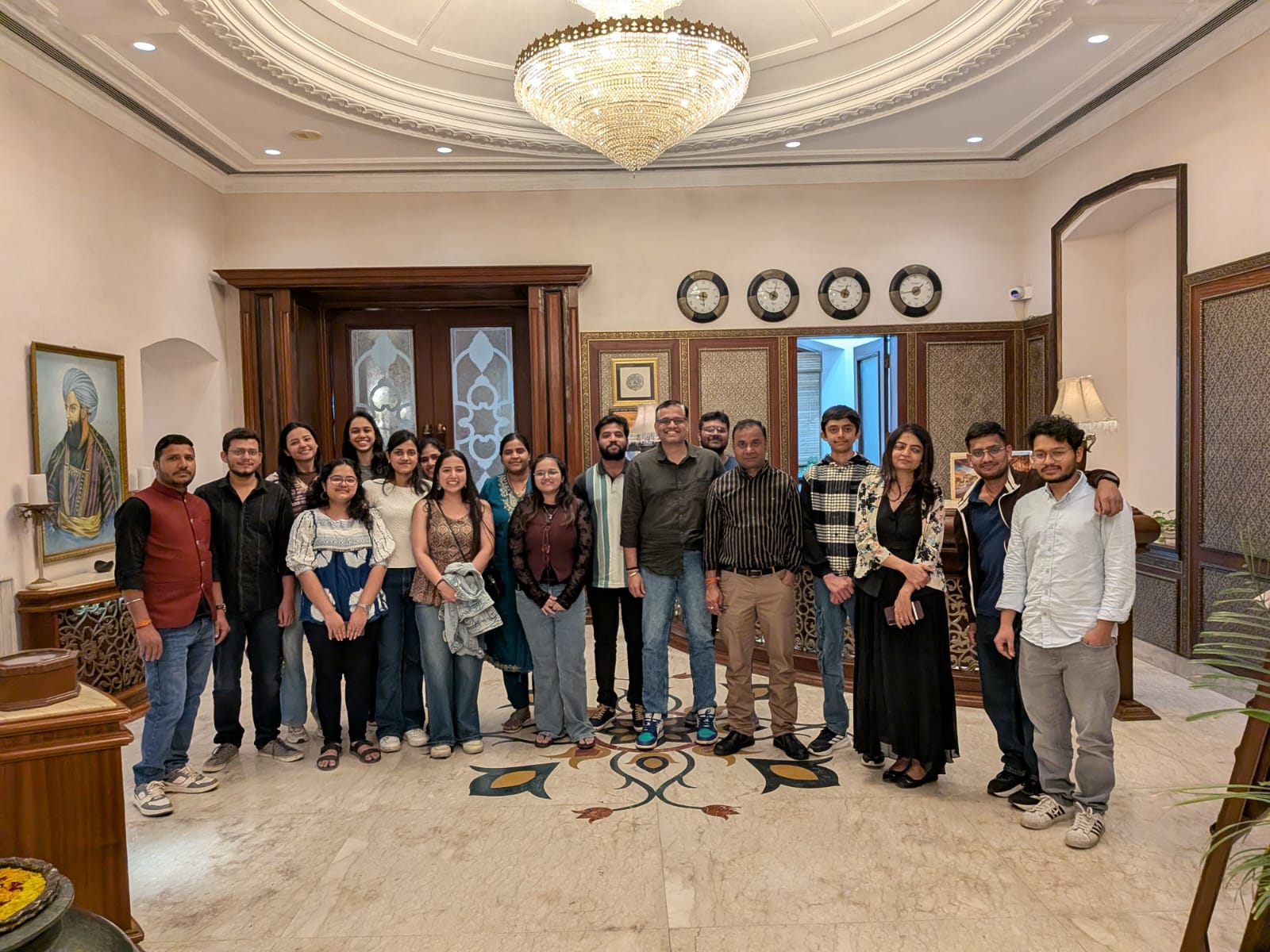
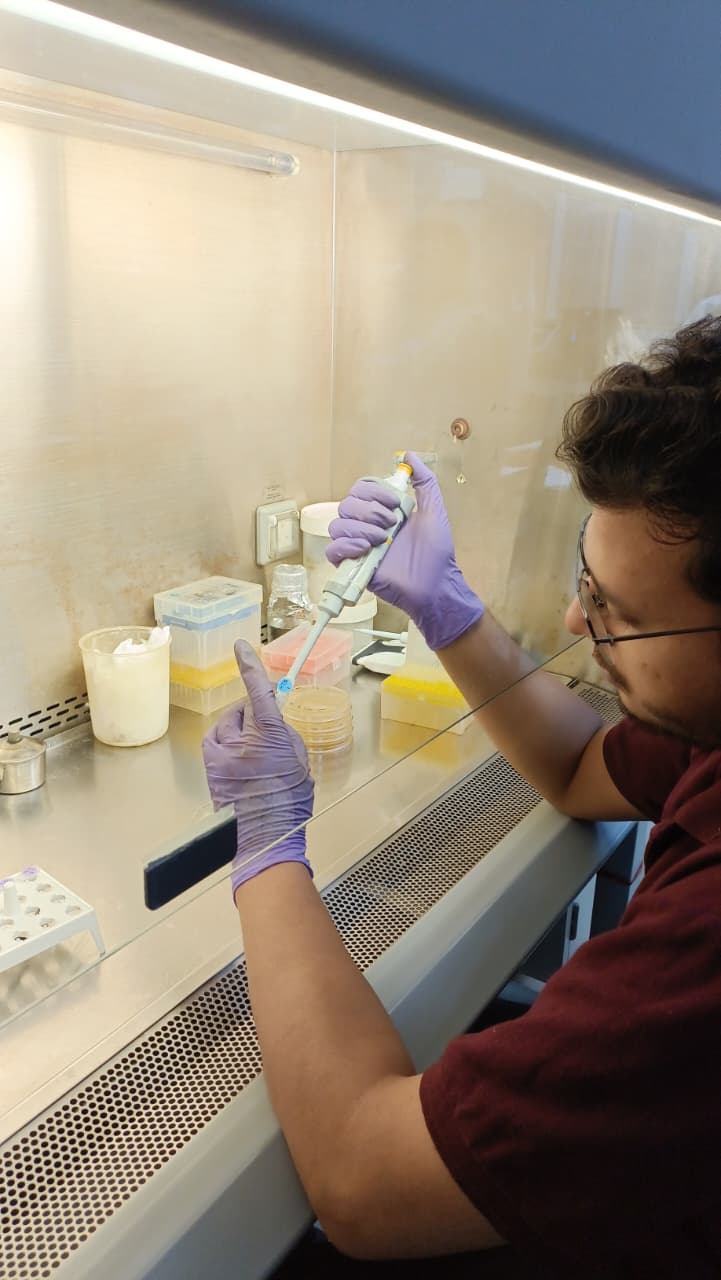
Inside the lab
Research moments and publication signals in motion.
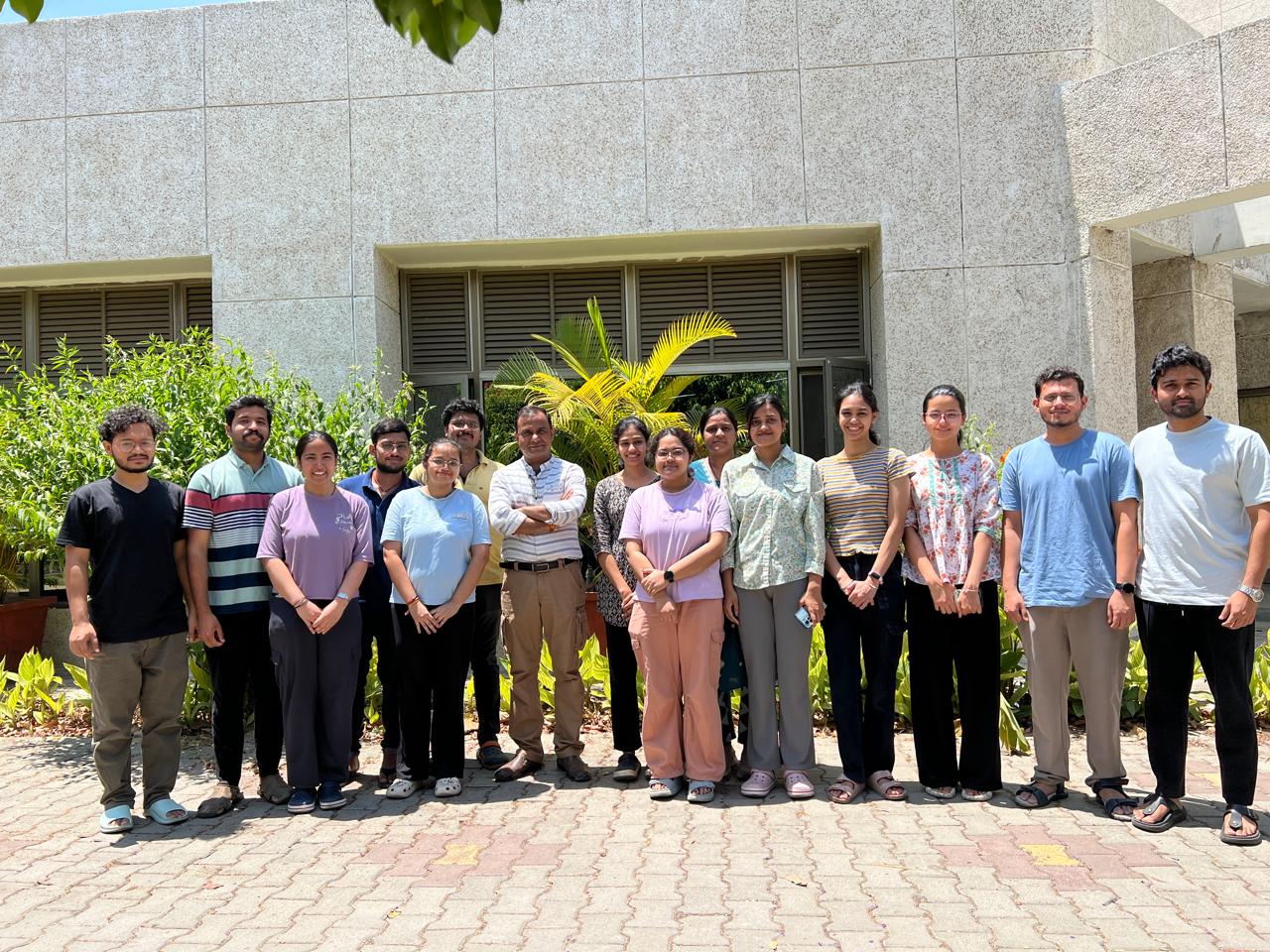
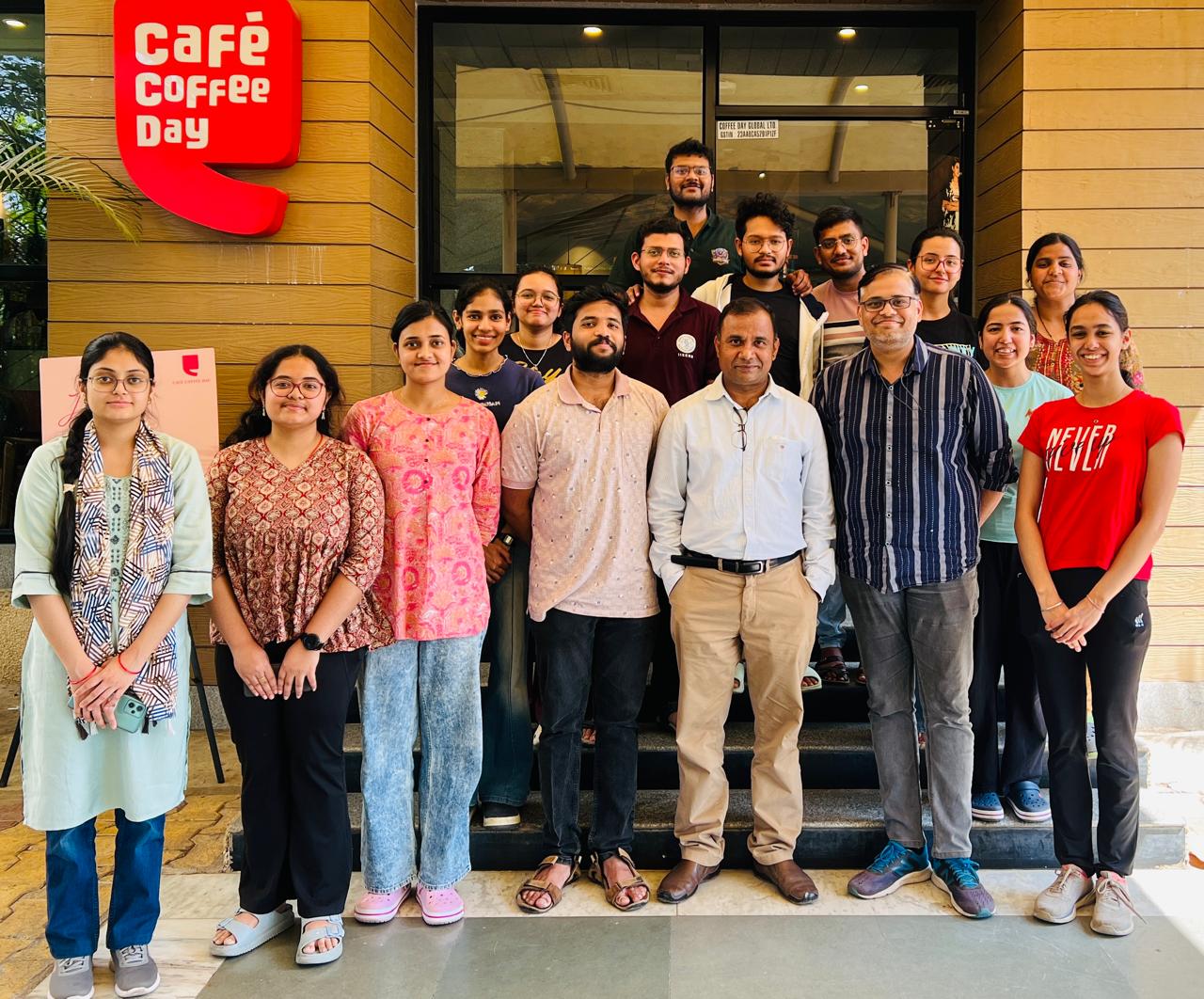
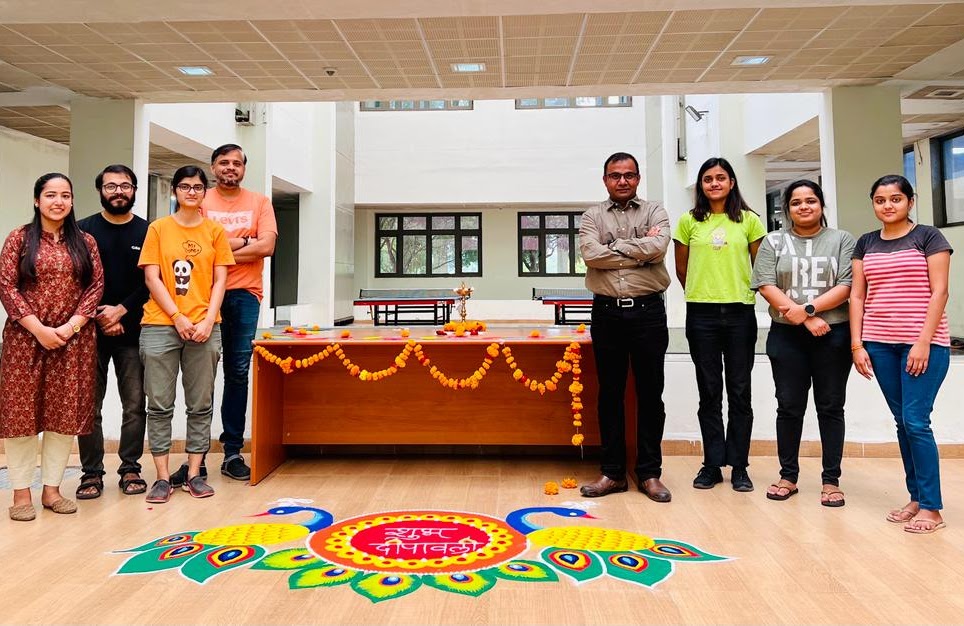
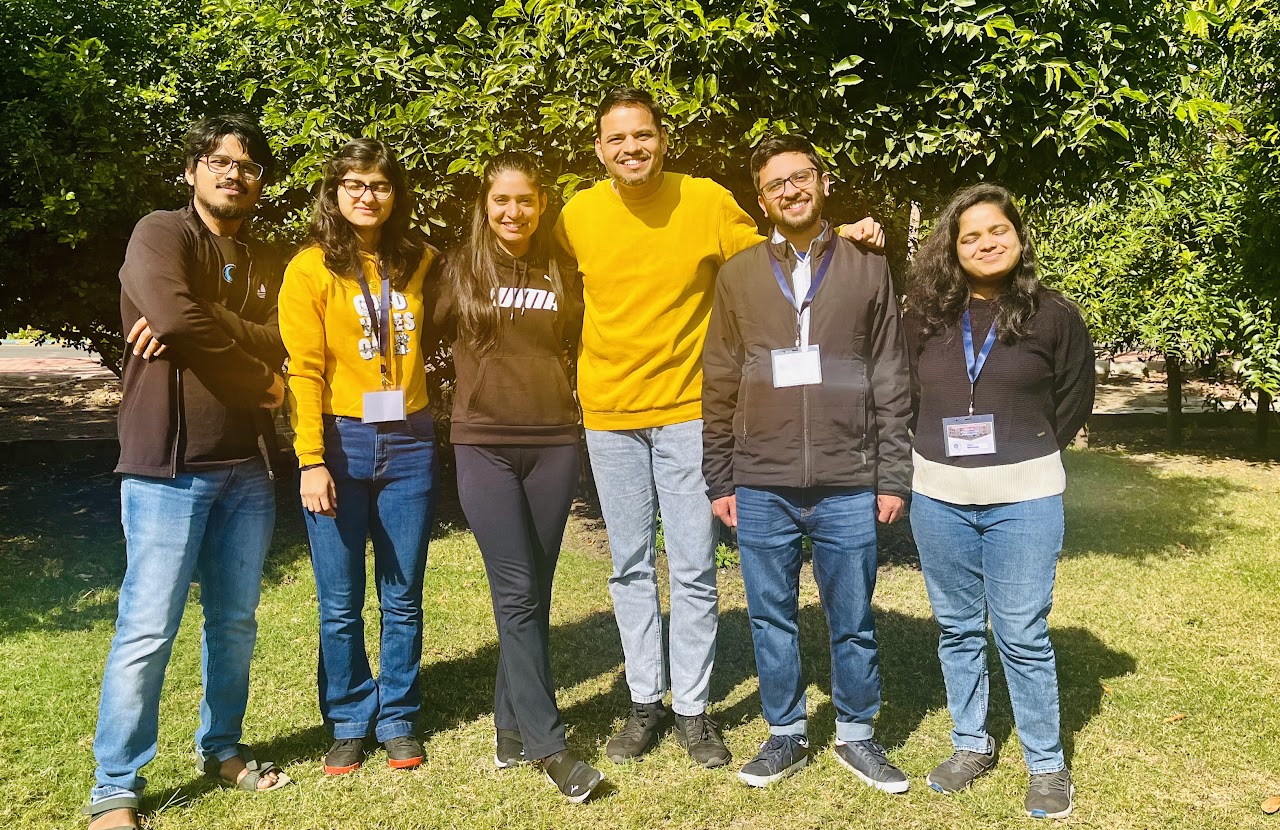
A visual tour from bench experiments to lab life and conference highlights, showing the team, instruments, and moments that shape our science.



Visit Us
Located at the Indian Institute of Science Education and Research, Bhopal.
Department of Biological SciencesIISER Bhopal, Bhopal Bypass Road
Bhauri, Bhopal, MP 462066
IndiaGet Directions
Join Our Team
We're always looking for passionate researchers interested in epigenetics, RNA biology, and cancer research. Fill out the form or reach out directly to join our lab.